
Verdict: Choose by Learning Model, Not Brand
AI-generated illustration — not a retailer product photo.
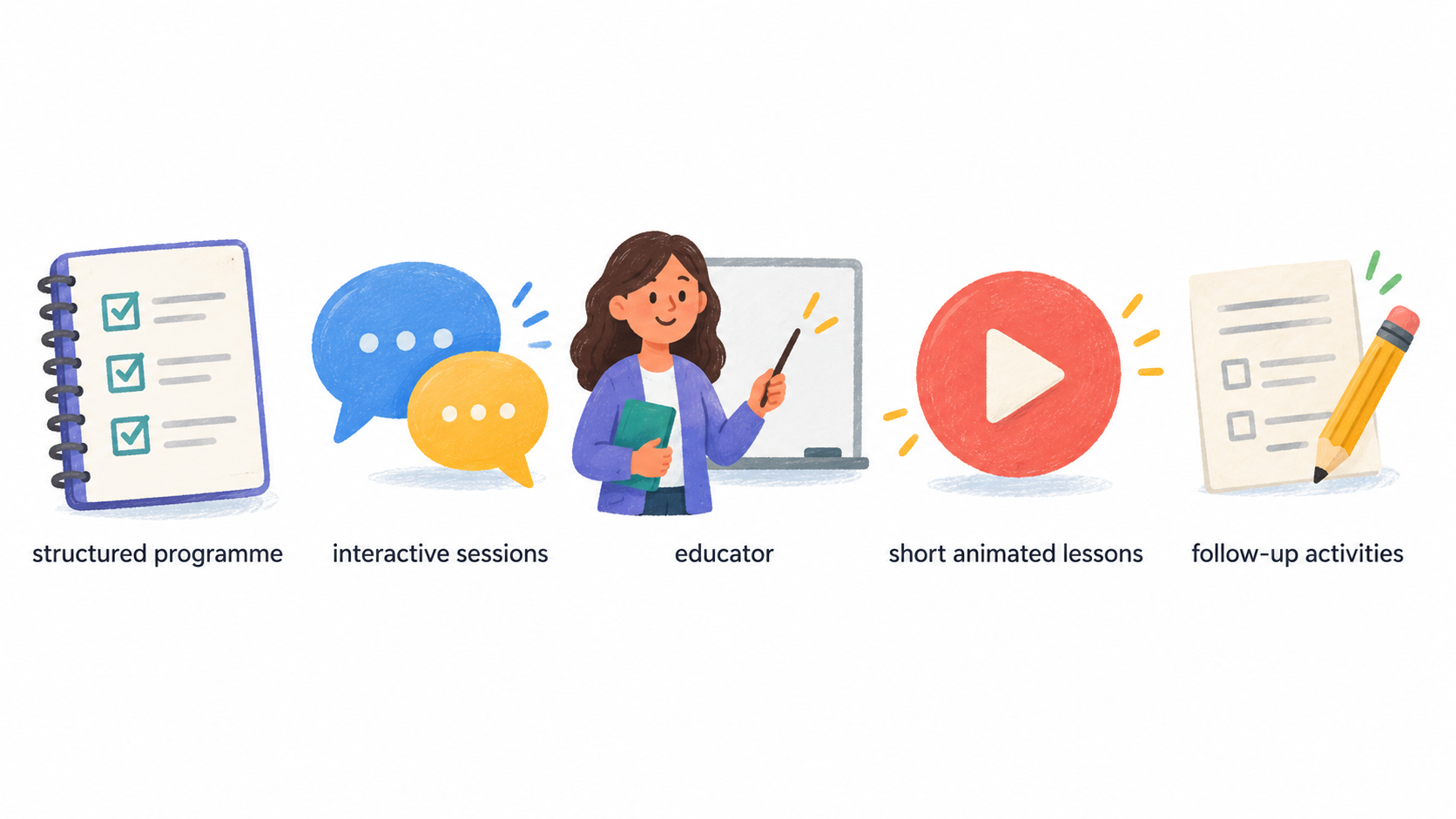
There is no evidence-based overall winner here because the two services appear to solve different supplementary-learning needs. BrightCHAMPS presents itself as a programme provider across skills and school subjects, with tailored interactive sessions and educators as part of its proposition. BrainPOP is described independently as a subscription resource built around short animated lessons and follow-up activities across school and life topics.
For a UK school or family, BrightCHAMPS may be the closer fit when the priority is a structured programme in an area such as coding, robotics or financial literacy, and when delivery with an educator is important. BrainPOP may be the closer fit when learners need engaging, topic-led material to support classroom discussion, revision or exploration.
That distinction matters more than a broad brand comparison. Neither supplied source set independently proves learning outcomes, UK curriculum alignment, safeguarding arrangements or value for money. Treat this as a shortlist decision: match the format to the learning goal, then ask each supplier for current, UK-relevant evidence before committing.
What BrainPOP and BrightCHAMPS Offer
AI-generated illustration — not a retailer product photo.
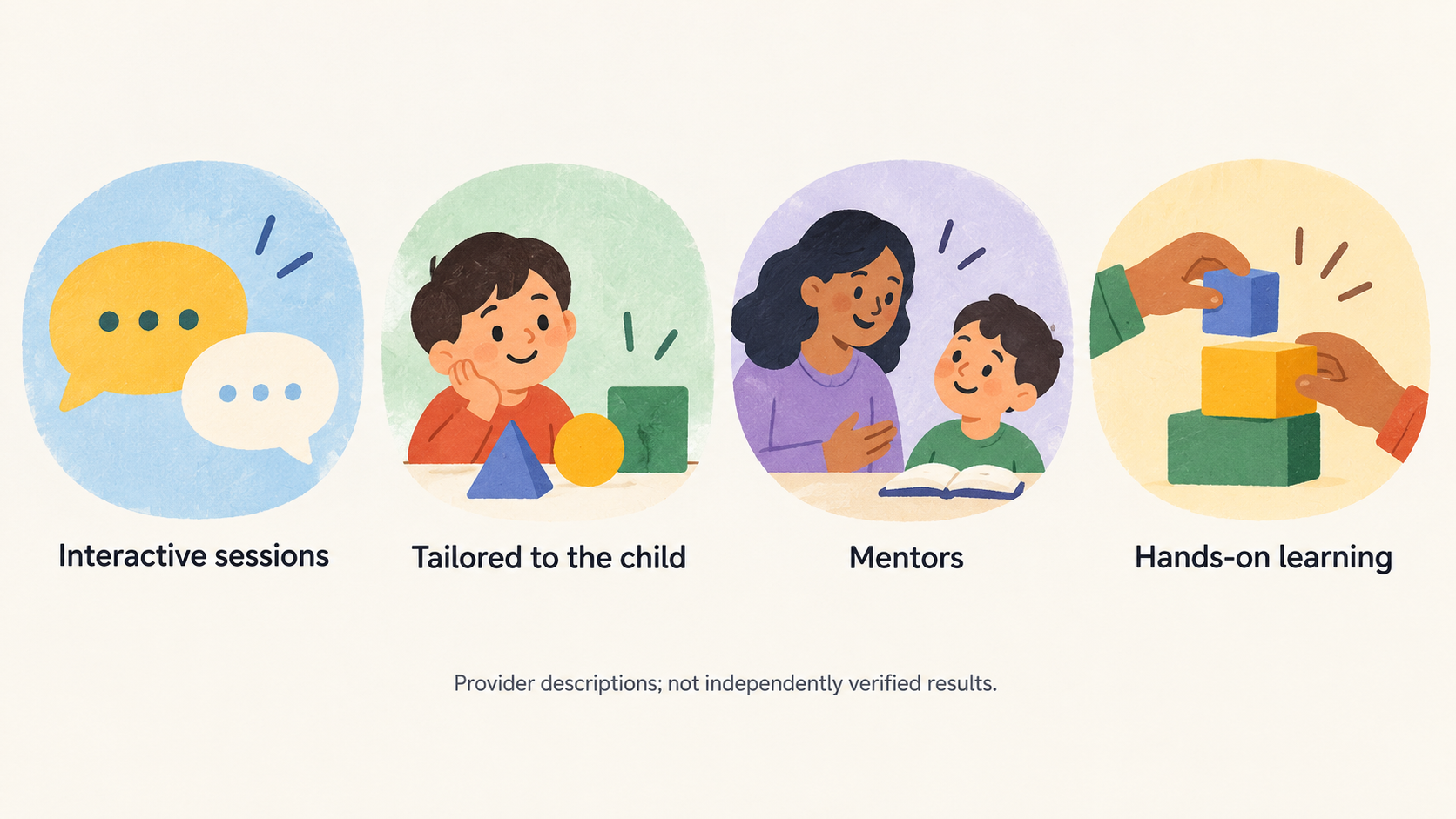
BrightCHAMPS describes its offer as a range of programmes designed to build confidence, creativity and practical skills. Its UK-facing catalogue names Coding, Robotics, Financial Literacy, Gen AI, Math, English and Science, and the provider says sessions are interactive and tailored to the child. It also highlights mentors, hands-on learning and opportunities beyond lessons. These are provider descriptions, so they indicate the intended model rather than independently verified results.
BrainPOP is harder to characterise from the supplied official page, which provided no usable feature detail. An independent Common Sense Media review describes it as a paid subscription site with some free games and resources. According to that review, lessons start with a brief animated video and are followed by a variety of activities covering school subjects and life-related topics.
The products are therefore comparable at the level of supplementary learning, but not as like-for-like replacements. BrightCHAMPS is presented as a skills-programme option; BrainPOP is described as a library of animated, activity-based educational resources. Buyers should first decide whether they need a guided programme, a flexible classroom resource, or a combination of both.
BrightCHAMPS Strengths for Skills-Focused Learning
AI-generated illustration — not a retailer product photo.
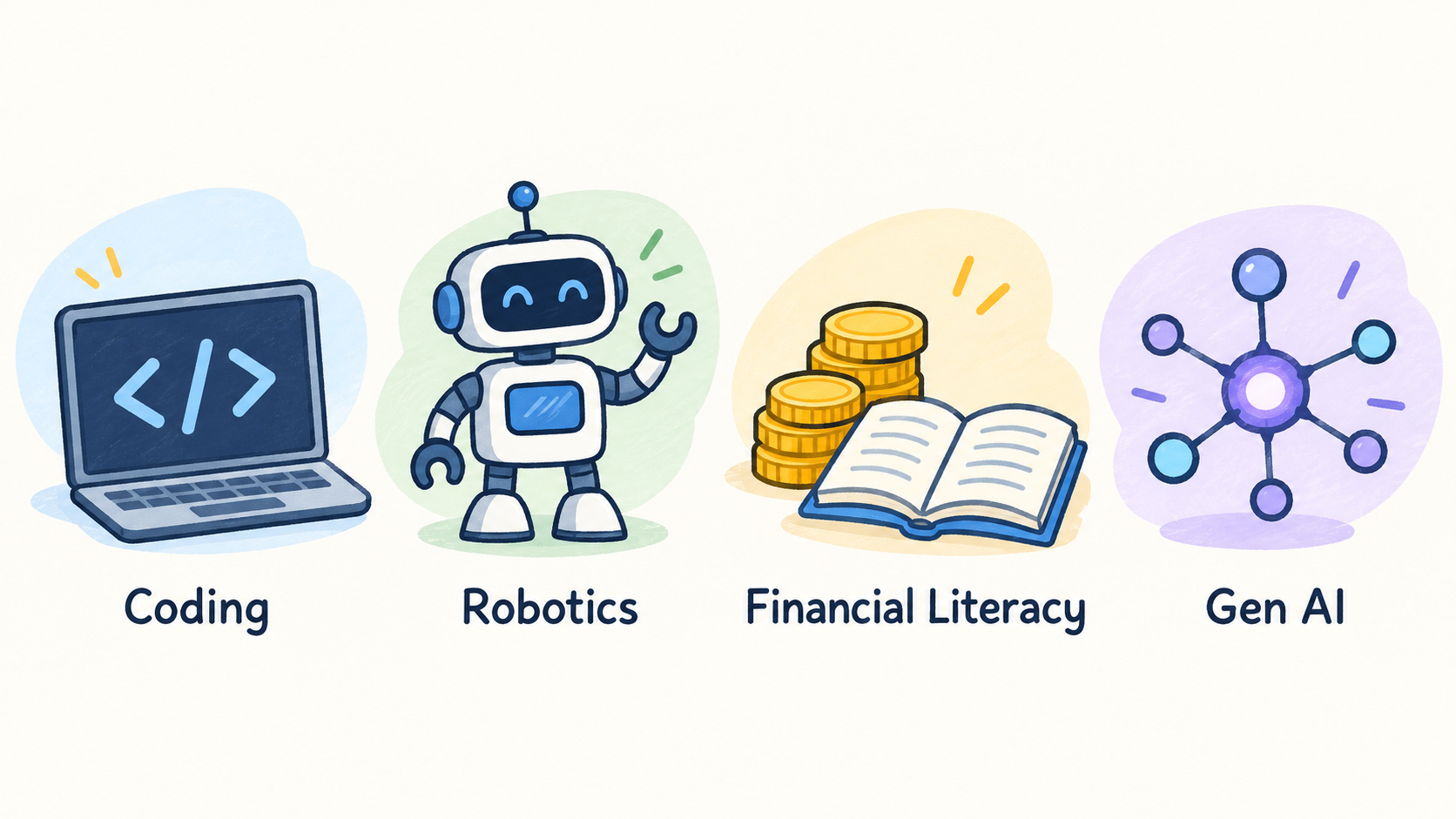
BrightCHAMPS’ clearest potential advantage is the breadth of the programme areas it names. A buyer exploring future-facing or practical learning can see Coding, Robotics, Financial Literacy and Gen AI alongside Math, English and Science in its catalogue. That makes it worth considering where a school or family wants one provider to cover several skills-oriented interests rather than a single topical resource.
The provider also says its sessions are interactive, tailored to each child and delivered by world-class educators. If those delivery features are confirmed during procurement, they could suit learners who benefit from structure, feedback and an adult-led programme rather than self-directed use of a content library. Its stated emphasis on curiosity-driven, hands-on learning may also appeal to buyers looking for an applied learning experience.
However, these are BrightCHAMPS’ own marketing claims. They should not be treated as proof that a particular learner will make progress, that a course matches a UK scheme of work, or that a mentor’s qualifications meet a school’s requirements. Ask to see the current course outline, session format, educator information, assessment approach and the evidence behind any accreditation or outcome claim.
BrainPOP Strengths for Classroom Topic Support
The independent evidence describes BrainPOP’s strengths in a different direction: animated explanations paired with activities. Lessons reportedly begin with a brief video, which can make the service useful as a starting point for a lesson, a discussion prompt, a revision activity or a way to introduce an unfamiliar topic. The review describes coverage ranging from science and notable people to everyday and life-related subjects, suggesting broad topical utility.
Common Sense Media also reports that much of the animated content is aligned to US state education standards and that BrainPOP is designed for children in third grade and above. That may help a buyer form an initial view of likely age and classroom use, but it is not evidence of alignment to the English national curriculum, a devolved UK curriculum or a particular school’s progression model.
The review’s account of sensitive topics is another reason BrainPOP may work best when adults select and frame the material. It notes content on war, terrorism, sexual reproduction, alcoholism and other subjects that may require context. A teacher or parent can potentially use that breadth constructively, but should review specific lessons before assigning them and consider whether the language, subject framing and age suitability fit the learner.
Limitations and Due-Diligence Checks
The evidence base is limited, and its limits should shape the decision. The supplied BrainPOP official page yielded only a loading message, so the available detail about its animated lessons, activities, subscription model and age guidance comes from an independent editorial review rather than a current product specification. Verify features, access levels, content availability and policy information directly with BrainPOP before purchase.
BrightCHAMPS supplies considerably more detail about its stated catalogue and delivery proposition, but it is provider marketing. Its claims about tailored sessions, educators, curriculum design, ratings, certifications and opportunities do not independently establish educational outcomes, affordability, curriculum fit or suitability for a particular child. Request current documentation rather than relying on homepage copy.
For both services, schools should ask about UK data protection, safeguarding, accessibility, support, teacher controls, contracts, cancellation terms and the total cost for the intended cohort. Families should check what adult involvement is expected, whether a trial is available, how progress is communicated and which content is appropriate for the child’s age and needs.
For BrainPOP in particular, review the subscription terms and sample lessons rather than assuming all resources are free. Also inspect topics that may be sensitive in your setting. A platform can be educationally useful while still needing careful content selection and local context.
BrainPOP vs BrightCHAMPS: Side-by-Side Comparison
| Decision criterion | BrainPOP | BrightCHAMPS | What to verify |
|---|---|---|---|
| Learning format | Independently described as animated lessons followed by activities. | Presented by the provider as interactive, tailored programmes with educators. | Whether the delivery style fits the learner and available adult support. |
| Main emphasis | Broad school and life-topic exploration. | Skills and subject programmes including coding, robotics, financial literacy, Gen AI, maths, English and science. | The exact course or lesson scope for the intended learning goal. |
| Likely use case | Flexible topic support, lesson starters, discussion and revision. | A structured programme for a selected skill or subject area. | How the service fits existing teaching or home-learning routines. |
| Age and content | An independent review suggests third grade and up, and notes some sensitive topics. | The provider’s catalogue is organised by grade. | Current age guidance, content suitability and adult review needs. |
| Evidence confidence | The official supplied page was not informative; useful detail is from independent editorial evidence. | Detailed official catalogue and delivery claims are available, but are provider statements. | Current product documentation and independent outcome evidence. |
| Supplier questions | Ask about subscription access, activities, topic coverage and UK relevance. | Ask about course structure, educators, feedback, outcomes and applicable credentials. | Data protection, safeguarding, accessibility, cost and contract terms. |
The practical choice is not “which has more features?” It is whether the buyer needs a topic-resource library or a guided programme. Some schools may find the models complementary: BrainPOP-style material can support a topic lesson, while a BrightCHAMPS-style programme could provide sustained work in a chosen skill. That is an inference from the described formats, not evidence that the services integrate or should be bought together.
Alternatives to Consider by Learning Need
If neither model fits, widen the shortlist by need rather than searching for a generic replacement. A school seeking classroom topic support could consider curriculum-linked digital resources, teacher-created materials or library services with clear UK curriculum mapping. A family seeking independent practice might prefer a focused subject app, printable materials or a tutor-led local option.
For coding, robotics or AI learning, compare providers that publish a clear syllabus, age bands, project examples and educator credentials. For literacy, maths or science reinforcement, look for resources that explain how they support the learner’s current stage and how adults can monitor progress.
The key is to compare alternatives using the same questions: delivery model, content relevance, adult involvement, accessibility, safeguarding, cost and evidence of benefit. Avoid treating popularity, badges or a long feature list as a substitute for a small trial with the learners who will actually use the service.
How to Choose for Your School or Family
Start with one concrete goal. For example: introduce a science topic more vividly, build coding confidence over a term, support English practice, or give a child structured enrichment outside school. A clear goal makes it easier to decide whether flexible animated resources or a guided programme is the better first option.
Next, test the fit in context. Schools can review a sample lesson or course against their planning, classroom devices, accessibility needs and teacher workload. Families can consider the child’s motivation, independence, schedule and appetite for adult-led sessions. In either case, include the learners’ response in the evaluation rather than judging only from a sales page.
Then request written answers on current pricing, privacy, safeguarding, support, cancellations, educator arrangements and outcome evidence. For UK use, ask explicitly how the content relates to the relevant curriculum and whether any standards claims are US-specific or applicable locally.
A short, documented pilot is often more defensible than a long commitment. Set success measures in advance, such as participation, teacher workload, learner confidence or completion of a defined unit, and decide what evidence would justify continuing.
Frequently Asked Questions
Are BrainPOP and BrightCHAMPS direct alternatives?
Only in a broad supplementary-learning sense. The supplied evidence describes BrainPOP as an animated, activity-based educational resource, while BrightCHAMPS presents guided programmes across skills and subjects. They may sit on the same shortlist, but a buyer should compare them against the learning model needed rather than assume direct feature parity.
Which option may suit younger learners?
The independent BrainPOP review describes the service as designed for children in third grade and above, and it notes that some topics need adult context. BrightCHAMPS organises its stated catalogue by grade, but the supplied evidence does not independently establish a best age range. For either option, review the exact lesson or course, the child’s readiness and the level of adult support before deciding.
What should UK schools and families check before buying?
Ask for current information on curriculum relevance, age guidance, pricing, access, data protection, safeguarding, accessibility, support and cancellation terms. Schools should also check classroom fit and teacher controls; families should assess adult involvement and whether the delivery model motivates the child. Request outcome evidence rather than relying solely on marketing claims or ratings.
Sources
Related reading
- Best K-12 classroom learning tools: evidence-led top choices
- BrainPOP review: strengths, limits, and alternatives
- BrightCHAMPS review: who it suits and who should skip it
- How to choose K-12 classroom learning tools for your needs
Editorial information: About our editorial team · Read our editorial policy · Read our affiliate disclosure.