AI-generated illustration — not a retailer product photo.
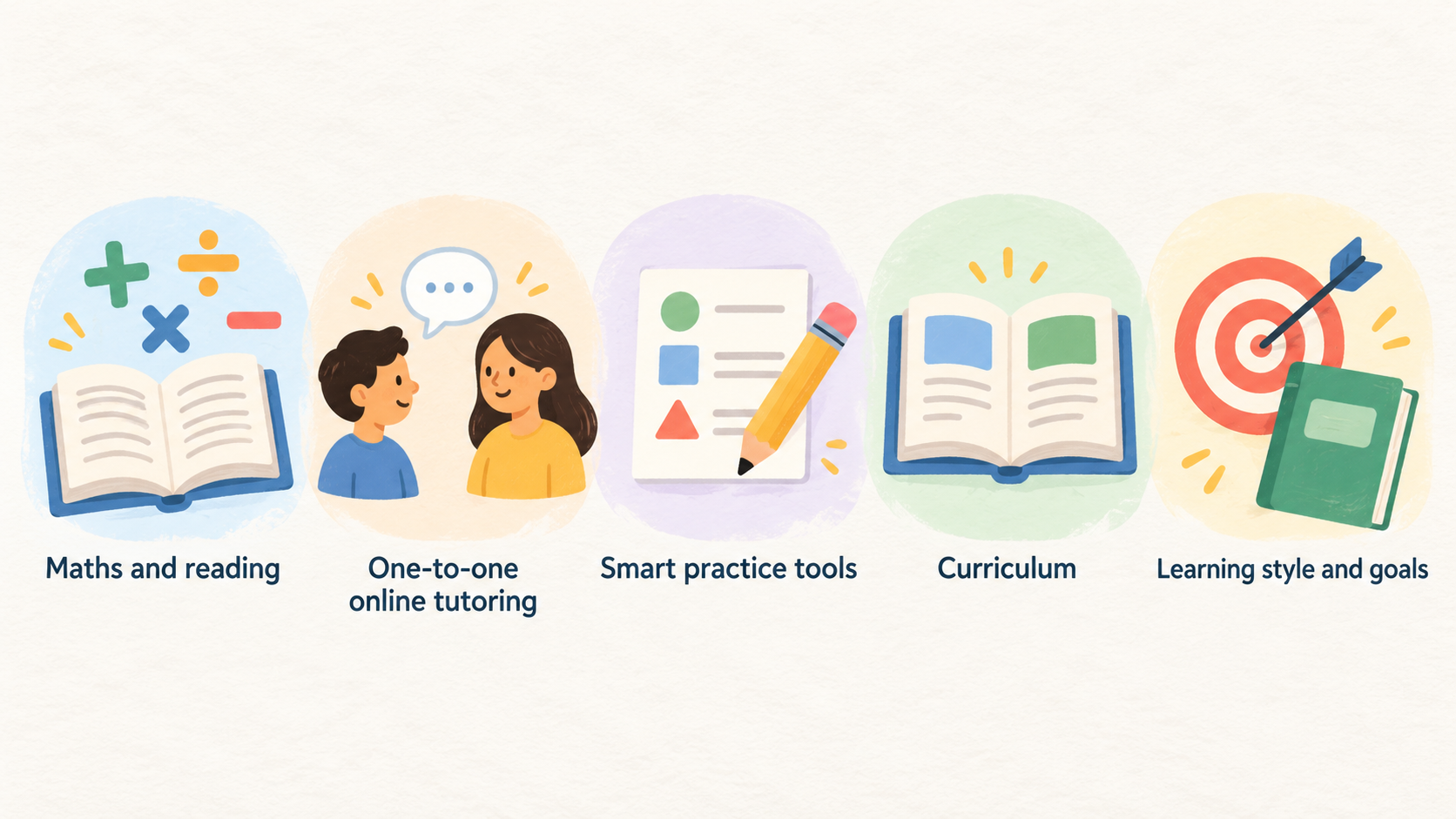
Brighterly presents itself as an online learning platform for K–12 pupils, focused on maths and reading. Its public materials describe a combination of one-to-one online tutoring and smart practice tools, with programmes tailored around a child’s curriculum, learning style and goals. (source)
This is not a hands-on test or an independent verdict on teaching quality. Instead, it is a practical buying assessment for UK families, teachers and school leaders: where does Brighterly’s stated model appear relevant, and what should a buyer confirm before committing?
Brighterly at a Glance
AI-generated illustration — not a retailer product photo.
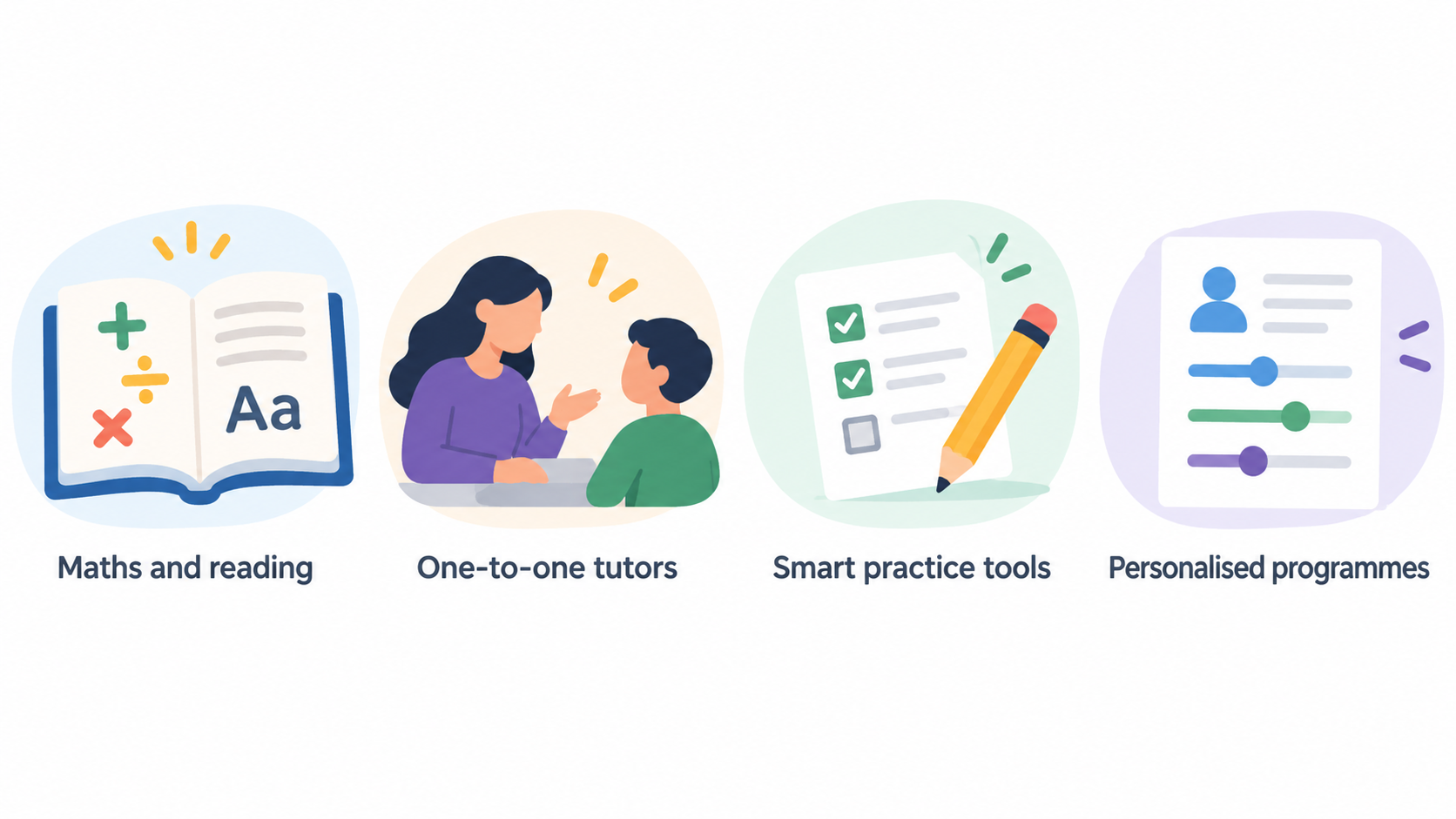
Brighterly’s public proposition is straightforward: online maths and reading support for K–12 learners. The provider says its service combines one-to-one tutors with smart practice tools, aiming to help pupils build foundations in both subjects. (source) Its pricing page also refers to personalised maths and reading programmes for elementary, middle and high school learners. (source)
For a UK reader, the most useful starting point is therefore fit rather than a blanket recommendation. A family may be looking for additional support around a specific maths topic, reading confidence or regular study habits. A teacher or school leader may instead be assessing whether the lesson format, reporting and support model could complement local provision.
The public information is enough to identify the broad offer, but not enough to establish educational outcomes in a particular setting. Treat Brighterly as a service to investigate against the learner’s needs, curriculum and budget—not as a substitute for checking those details.
Who Brighterly May Suit
AI-generated illustration — not a retailer product photo.
The stated K–12 remit makes Brighterly potentially relevant to families seeking online maths or reading support across a wide school-age range. (source) Its pricing material specifically mentions children and teenagers from 1st to 9th grade, while the main site describes grade-selection options from Grade 1 to Grade 9 for booking a demo lesson. (source) (source)
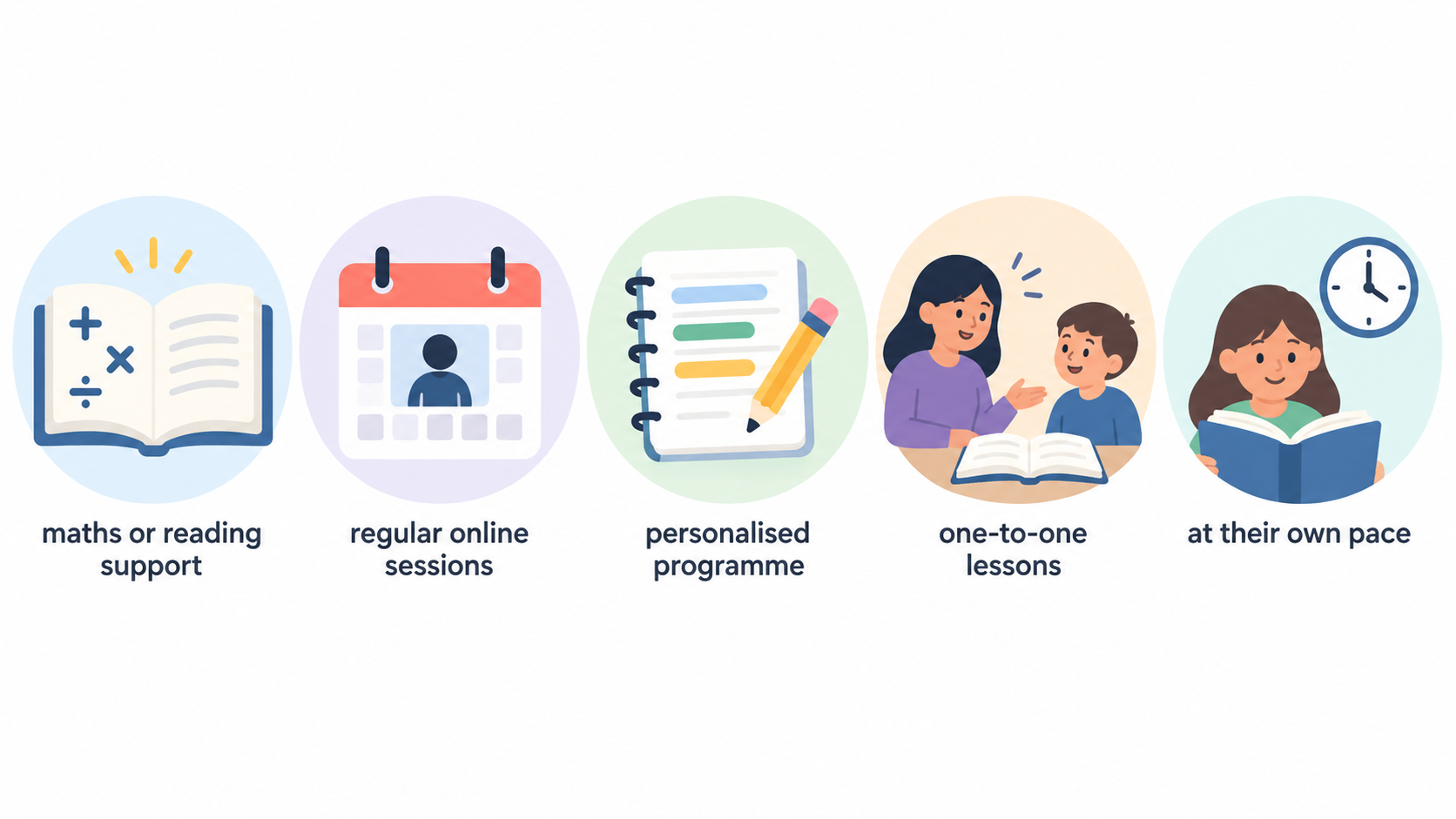
For families, the model may be worth exploring where a child would benefit from structured, regular online sessions and a personalised programme. The public description of one-to-one lessons may also appeal when a learner needs time to ask questions or work through difficult topics at their own pace. (source) That is a potential advantage of the format, not evidence that it will suit every pupil.
For schools and school leaders, the relevant question is different. Before recommending or procuring a service, establish whether its curriculum approach maps to local learning objectives, whether tutor and safeguarding arrangements meet your requirements, and whether progress information can be used appropriately alongside existing support. Brighterly’s public pages describe an individual learning service; they do not by themselves set out a UK school procurement model.
What Brighterly Says It Offers
Brighterly says it provides online maths and reading learning services for K–12 pupils. Its main page describes one-to-one tutoring, smart practice tools and a customised curriculum built around a child’s curriculum, learning style and goals. (source) It also says pupils are matched with experienced, vetted tutors and that quality is assessed continuously. (source)
The pricing page describes 45-minute interactive lessons, homework help and progress reports. It lists one-, three-, six- and 12-month package options, with the number of progress reports varying by package. (source) The same page states that package prices apply to two lessons per week and that subscriptions can be paused, but a buyer should check the current terms directly before relying on them. (source)
The key elements to investigate are therefore the actual tutor match, lesson frequency, subject level, practice experience and reporting detail offered for the learner in question. Brighterly describes a personalised service, but the practical meaning of that personalisation should be confirmed during a demo or sales conversation.
Potential Strengths for Families and Schools
If delivered as described, one-to-one lessons could give a learner more opportunity to ask questions and spend time on difficult areas than is available in a larger group setting. (source) Brighterly also says it creates schedules around a child’s curriculum, learning style and goals, which may be useful for families trying to fit extra support around school and home routines. (source)
The stated combination of tutoring, practice tools, homework help and progress reports could make it easier for a buyer to consider both lesson time and between-session support as part of one package. (source) (source) For a parent, that may help clarify whether the service offers enough structure. For a school, reports may be relevant only if their content, frequency and data handling meet local expectations.
These are potential strengths, not independently verified outcomes. The important test is whether the assigned tutor, programme and support processes work for the individual learner. Ask to see what a typical lesson, practice task and progress report look like, and agree what evidence of progress will matter before starting.
Limitations and Questions to Check
The clearest limitation for UK buyers is curriculum alignment. Brighterly’s main page says its programme meets U.S. state standards. (source) That does not establish alignment with the National Curriculum for England, Curriculum for Wales, Curriculum for Excellence or a particular school’s sequence of learning. Ask how the tutor will work from the child’s current classwork, assessment information and local curriculum expectations.
Commercial details also need checking at the point of purchase. The public pricing page outlines package lengths, 45-minute lessons, two lessons per week and progress-report inclusions, but current per-lesson prices and the precise terms should be confirmed directly. (source) Ask about billing, pause and cancellation conditions, lesson rescheduling, trial arrangements and what happens if a tutor match is not suitable.
Finally, do not treat general claims about tutor vetting or premium support as a complete due-diligence answer. Families should understand who will teach their child and how concerns are handled. Schools should separately verify safeguarding, data protection, accessibility, support escalation and procurement requirements for their own context.
How to Assess Brighterly Before You Buy
AI-generated generic editorial illustration — not a retailer product photo and does not depict the reviewed product or service. Support a neutral, practical pre-purchase assessment framework without implying independent product testing.
 Start with a narrow learning goal. Define the subject, topic or skill to improve, the learner’s current level and what progress would look like after a realistic period. Then ask whether Brighterly can support that goal at the right level and with the right lesson frequency.
Next, test curriculum and tutor fit. Bring recent schoolwork or a teacher’s feedback to a demo discussion, and ask how the proposed programme will connect to it. Clarify how tutors are matched, whether a change can be requested, and how the service adapts if the learner’s needs change. Brighterly says it offers customised programmes and one-to-one tutoring; use the trial process to see how those claims translate into a specific plan. (source)
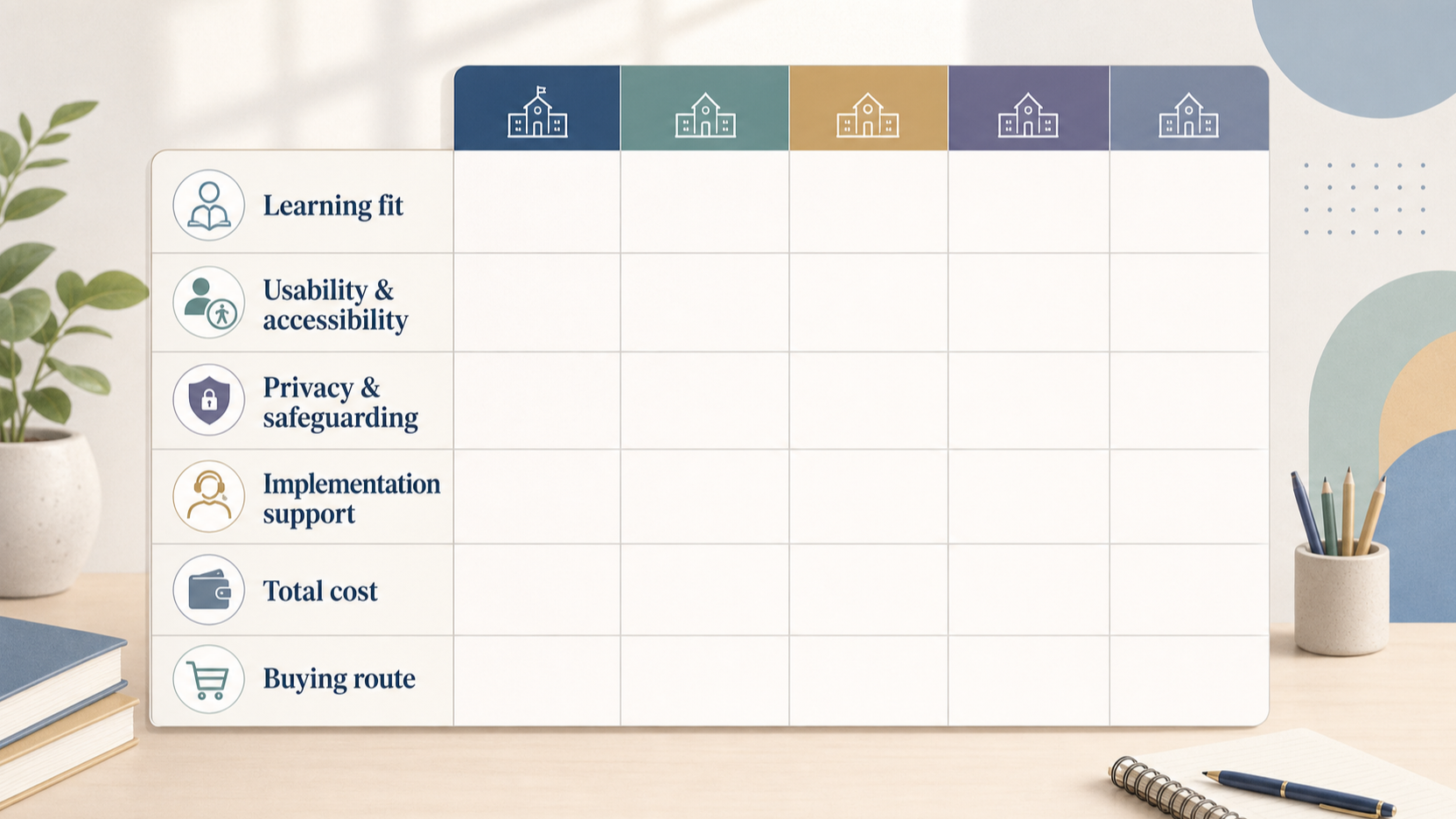
Then compare like for like. Check lesson length, sessions per week, homework help, practice access, reporting, total package cost and cancellation terms rather than comparing a headline price alone. (source) Families can make a trial decision based on the child’s engagement and the clarity of the plan. School leaders should add safeguarding, data, accessibility, contract and implementation checks before any recommendation or procurement decision.
Comparing Brighterly With Other Options
Compare Brighterly with alternatives using the learner’s needs as the baseline. Start with subject and level coverage: does the service cover the maths or reading need, and can it work with the relevant UK curriculum or school scheme? Then compare the delivery model—one-to-one, group tuition, self-directed practice or a blend—and decide how much live support the learner actually needs.
Cost comparisons should use the same unit. Brighterly’s public pricing information describes 45-minute lessons and packages based on two lessons per week, so compare total scheduled teaching time, included support and package conditions against other options. (source) Also compare tutor matching, rescheduling, progress reporting, homework support, safeguarding information and customer support.
No provider is automatically the best choice from a public product page. A service that looks attractive for a family seeking regular individual tuition may be less appropriate for a school needing formal procurement assurances or close local-curriculum integration. Use a demo, written answers and current terms to make the comparison evidence-led.
Frequently Asked Questions
What subjects and age groups does Brighterly publicly say it supports?
Brighterly says it supports K–12 students in maths and reading. (source) Its public pages also refer to Grade 1 to Grade 9 options and to maths and reading programmes for elementary, middle and high school learners. (source) (source) Confirm the exact level and subject availability for the individual learner before buying.
How are Brighterly lessons described on its public pages?
The provider describes 45-minute interactive lessons, one-to-one tutoring, homework help and smart practice tools. (source) (source) It also says programmes can be tailored around a child’s curriculum, learning style and goals. (source) A demo is the best opportunity to ask how that would work in practice.
What should UK families and schools check before starting or buying a package?
Check UK curriculum fit, the proposed tutor and lesson plan, current package pricing and conditions, cancellation or pause terms, reporting, support processes and safeguarding or data requirements. Brighterly’s public materials refer to U.S. state standards, so UK alignment should be verified rather than assumed. (source)
Related reading
- BrightCHAMPS review: who it suits and who should skip it
- Discount School Supply review: practical buying assessment
- How to choose K-12 classroom learning tools for your needs
- When to buy K-12 classroom learning tools for better value
Editorial information: About our editorial team · Read our editorial policy · Read our affiliate disclosure.